Ceiling Fan Size Calculator: Find Your Perfect Blade Span
Choose the right ceiling fan for your room. Enter your room details below to get an accurate blade span recommendation, downrod length, and placement tips for optimal airflow and comfort.
List of the Top 10 Best Ceiling Fan:


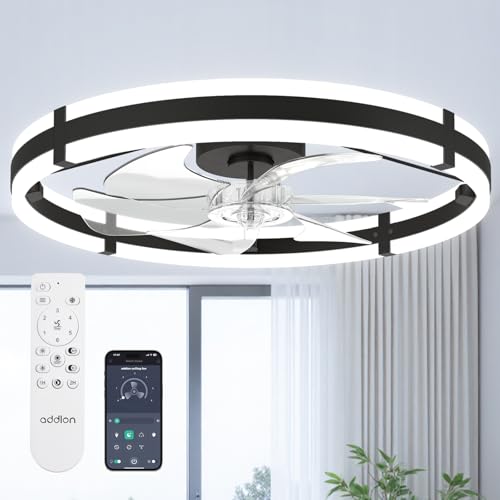

Ceiling Fan Sizing Guide
Choosing the right ceiling fan size is essential for optimal airflow, energy efficiency, and comfort. A properly sized fan will circulate air effectively, reduce energy costs, and enhance the aesthetic of your space. Our calculator helps you find the perfect blade span based on your room dimensions and ceiling height.
Key Factors for Ceiling Fan Sizing
Our ceiling fan calculator considers these essential factors:
| Factor | Description | Impact on Fan Size |
|---|---|---|
| Room Area | Length × Width of the room | Determines the blade span needed for adequate airflow |
| Ceiling Height | Distance from floor to ceiling | Affects downrod length and airflow efficiency |
| Room Type | How the space is used | Different rooms have different airflow requirements |
| Mounting Type | Ceiling configuration | Determines if a downrod or flush mount is needed |
| Blade Style | Number and design of blades | Affects both airflow and aesthetic |
Ceiling Fan Blade Span Recommendations
General guidelines for ceiling fan blade span based on room size:
| Room Area (sq ft) | Recommended Blade Span | Common Room Size | Airflow Efficiency |
|---|---|---|---|
| Up to 75 | 29″ – 36″ | Small bathroom, walk-in closet | Good for small spaces |
| 76 – 144 | 36″ – 42″ | Small bedroom, office | Ideal for medium-small rooms |
| 145 – 225 | 42″ – 52″ | Standard bedroom, kitchen | Most common size |
| 226 – 400 | 52″ – 60″ | Living room, dining room | Excellent air movement |
| 401 – 625 | 60″ – 72″ | Great room, large basement | Maximum airflow capacity |
| 626+ | 72″ – 84″+ | Commercial or very large spaces | Industrial-grade airflow |
Downrod Length Guidelines
Based on ceiling height, here are recommended downrod lengths for optimal fan placement:
| Ceiling Height | Recommended Downrod Length | Fan Height from Floor | Best For |
|---|---|---|---|
| 7 – 8 feet | Flush mount (no downrod) | 7.5 – 8.5 feet | Low ceilings, basements |
| 8 – 9 feet | 6″ – 12″ | 8 – 9 feet | Standard rooms |
| 9 – 10 feet | 12″ – 18″ | 8.5 – 9.5 feet | Higher ceilings |
| 10 – 12 feet | 18″ – 24″ | 9 – 10 feet | Vaulted ceilings |
| 12 – 15 feet | 24″ – 36″ | 9.5 – 10.5 feet | Great rooms |
| 15+ feet | 36″ – 72″ | 10 – 12 feet | Commercial spaces |
Ceiling Fan Installation Tips
- Safety: Ensure the electrical box is rated for ceiling fan support (minimum 35 lbs).
- Height: Fan blades should be at least 7 feet above the floor for safety.
- Distance: Blades should be at least 18 inches from walls for optimal airflow.
- Balance: Use a balancing kit if the fan wobbles after installation.
- Direction: Summer: counterclockwise for cooling breeze; Winter: clockwise to circulate warm air.
Frequently Asked Questions
How do I know what size ceiling fan to buy?
The blade span is the most important size factor. Measure your room's square footage and use our calculator or the general guidelines above. For rooms up to 225 sq ft, a 42-52 inch fan works well; for larger rooms, go with 52-60 inches or larger.
What happens if my ceiling fan is too small?
A fan that's too small for the room won't move enough air effectively. It will run at higher speeds more often, which can be noisy and less energy-efficient. You may also notice hot or cold spots in the room.
What happens if my ceiling fan is too large?
An oversized fan can create excessive airflow, making the room feel drafty and uncomfortable. It may also look disproportionate to the room and can be more expensive to operate without providing proportional benefits.
How does ceiling height affect fan size?
Ceiling height determines the downrod length needed and the optimal fan height. For ceilings over 9 feet, you'll need a downrod to lower the fan to the ideal height (7-9 feet from the floor) for optimal airflow.
Can I use a ceiling fan in a sloped ceiling?
Yes, but you'll need an angled mounting kit. Most fans come with slope-compatible hardware, but check the manufacturer's specifications. Some fans can be mounted on slopes up to 45 degrees.
How many blades should my ceiling fan have?
Most fans have 3-5 blades. While more blades don't necessarily mean more airflow, they can affect the aesthetic and noise level. Modern fans often have 3 or 4 blades for better airflow and efficiency.
Should I get an outdoor ceiling fan for my patio?
Yes, outdoor fans are rated for damp or wet locations and have weather-resistant materials. They're essential for covered porches, patios, and outdoor living spaces to ensure safety and longevity.
How much does a ceiling fan cost to run?
Ceiling fans are very energy-efficient. On average, a ceiling fan costs about $0.01-$0.03 per hour to run at high speed, making them much cheaper than air conditioning for equivalent cooling comfort.
Energy Saving Tips for Ceiling Fans
- Use ceiling fans in conjunction with air conditioning to raise the thermostat by 4-5°F while maintaining comfort.
- In summer, run fans counterclockwise to create a cooling breeze effect.
- In winter, run fans clockwise at low speed to push warm air down from the ceiling.
- Turn off fans when you leave the room — they cool people, not spaces.
- Choose Energy Star certified fans for maximum efficiency and performance.