Window Air Conditioner Size Calculator: Find Your Perfect BTU
Select the right window air conditioner for your room. Enter your room details below to get an accurate BTU recommendation tailored for window AC units, including considerations for window size, insulation, and room conditions.
List of the Best Window AC:
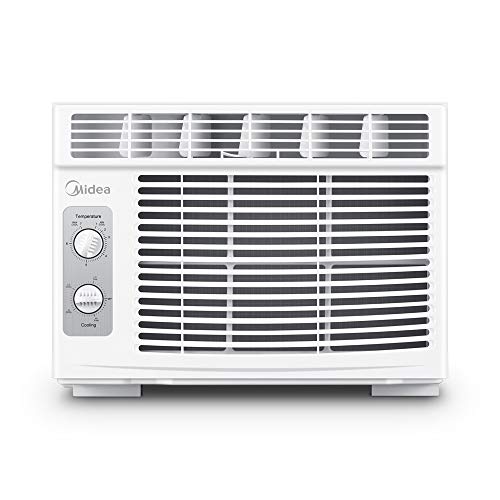


Window Air Conditioner Sizing Guide
Window air conditioners are one of the most popular and cost-effective cooling solutions. Proper sizing is essential for efficient operation, comfort, and energy savings. An undersized unit will struggle to cool the space, while an oversized unit will cycle on and off too frequently, wasting energy and failing to dehumidify properly.
Key Factors for Window AC Sizing
Our window AC calculator considers these essential factors:
| Factor | Description | Impact on Window AC Sizing |
|---|---|---|
| Room Dimensions | Length, width, and ceiling height | Determines the volume of air to cool |
| Insulation Quality | How well the room retains cool air | Poor insulation increases cooling load |
| Sunlight & Occupancy | Heat gain from sun and people | Increases cooling load, requiring higher BTU |
| Climate Zone | Outdoor temperature | Hotter climates need more cooling capacity |
| Room Type | Usage (bedroom, kitchen, etc.) | Kitchens and other heat-generating areas need more capacity |
Window AC BTU Recommendations
General guidelines for window air conditioners (based on standard 8-9 ft ceilings):
| Room Area (sq ft) | Recommended BTU | Common Room Size | Window Size Needed |
|---|---|---|---|
| 100 – 150 | 5,000 – 6,000 | Small bedroom, office | 22" – 26" wide |
| 150 – 250 | 6,000 – 8,000 | Medium bedroom, living room | 26" – 30" wide |
| 250 – 350 | 8,000 – 10,000 | Large living room, master bedroom | 30" – 34" wide |
| 350 – 450 | 10,000 – 12,000 | Open concept, small apartment | 34" – 38" wide |
| 450 – 550 | 12,000 – 14,000 | Large apartment, basement | 38" – 42" wide |
| 550 – 700 | 14,000 – 18,000 | Great room, studio | 42" – 48" wide |
Window AC Installation Tips
- Window Fit: Measure your window carefully before purchasing. Most units fit standard double-hung windows.
- Support: Use a support bracket to prevent the unit from falling, especially on upper floors.
- Sealing: Use weatherstripping or foam seals around the window to prevent air leaks.
- Leveling: Ensure the unit is slightly tilted to the outside for proper condensate drainage.
- Electrical: Most window ACs require a dedicated 115V or 230V circuit. Check the unit's requirements.
Frequently Asked Questions
How do I know if a window AC will fit my window?
Measure the width and height of your window opening. Most units come with an adjustable accordion side panels to fit different widths. Check the manufacturer's specifications for minimum and maximum window sizes.
Can I install a window AC myself?
Yes, most window ACs are designed for DIY installation. However, for heavy units (over 100 lbs) or second-floor installations, you may want to consider professional installation for safety.
What's the difference between BTU and EER?
BTU (British Thermal Unit) measures the cooling capacity. EER (Energy Efficiency Ratio) measures how efficiently the unit uses electricity. A higher EER means lower operating costs.
Can I use a window AC in a room with no window?
No, window ACs require a window for venting hot air and condensate drainage. For rooms without windows, consider a portable AC or a through-the-wall unit.
How often should I clean the filter?
Clean the air filter every 2-4 weeks during heavy use. A dirty filter reduces efficiency and can damage the unit. Some units have washable filters, while others need replacement.
Why is my window AC leaking water?
Some water leakage is normal as the unit dehumidifies the air. However, excessive leakage could indicate a clogged drain hole, improper leveling, or a damaged seal. Check that the unit is slightly tilted outward.
Can I use a window AC with a smart thermostat?
Some modern window ACs have smart features or can be controlled via apps. For older units, you can use a smart plug or infrared controller to add smart functionality.
How long do window ACs last?
With proper maintenance, a window AC can last 10-15 years. Regular cleaning, checking the electrical connections, and ensuring proper drainage will extend its lifespan.
Energy Saving Tips for Window ACs
- Close curtains or blinds during the hottest part of the day to reduce solar heat gain.
- Seal gaps around the window and the AC unit to prevent air leaks.
- Use a programmable timer to turn the unit on and off based on your schedule.
- Set the thermostat to 24-26°C (75-78°F) for optimal comfort and efficiency.
- Consider using a ceiling or floor fan to circulate the cooled air more effectively.