Mini Split Size Calculator: Ductless AC BTU & Zoning Guide
Find the right mini split air conditioner for your space. Enter your room details below to get accurate BTU recommendations for ductless systems, including single-zone and multi-zone configurations.
List of the Top 10 Best Mini Split:


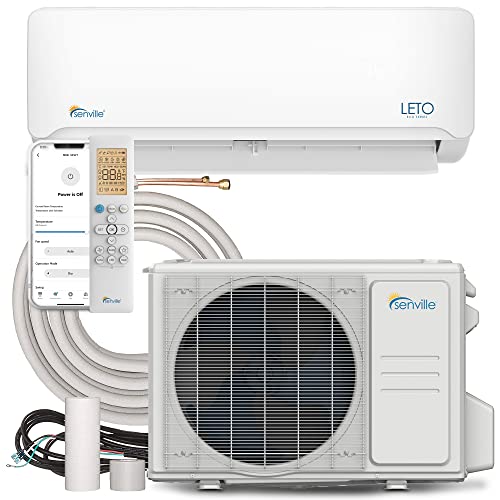


Mini Split Air Conditioner Sizing Guide
Mini split (ductless) air conditioners offer flexible, energy-efficient cooling and heating for spaces without ductwork. Proper sizing is critical for optimal performance, comfort, and energy efficiency. Unlike traditional window units, mini splits can serve multiple zones with a single outdoor unit.
Key Factors for Mini Split Sizing
Our mini split calculator considers these essential factors for ductless systems:
| Factor | Description | Impact on Mini Split Sizing |
|---|---|---|
| Room Dimensions | Length, width, and ceiling height | Determines the volume of air to cool |
| Room Type & Usage | How the space is used | Heat-generating areas (kitchen, garage) need more capacity |
| Sunlight & Occupancy | Heat gain from sun and people | Increases cooling load, requiring higher BTU |
| Climate Zone | Outdoor temperature extremes | Hotter climates need more cooling capacity |
| System Type | Single or multi-zone configuration | Multi-zone systems require balanced capacity distribution |
Mini Split BTU Recommendations
General guidelines for mini split systems (based on standard 8-9 ft ceilings):
| Room Area (sq ft) | Single Zone BTU | Multi-Zone Total BTU | Common Room Size |
|---|---|---|---|
| 100 – 150 | 5,000 – 6,000 | 6,000 – 7,000 | Small bedroom, office |
| 150 – 250 | 6,000 – 9,000 | 9,000 – 12,000 | Medium bedroom, living room |
| 250 – 350 | 9,000 – 12,000 | 12,000 – 15,000 | Large living room, master bedroom |
| 350 – 450 | 12,000 – 15,000 | 15,000 – 18,000 | Open concept, small apartment |
| 450 – 550 | 15,000 – 18,000 | 18,000 – 24,000 | Large apartment, basement |
| 550 – 700 | 18,000 – 24,000 | 24,000 – 30,000 | Great room, studio |
Mini Split Installation Tips
- Location: Position the indoor unit on an exterior wall for easy line set routing.
- Height: Install the indoor unit at least 7 feet above the floor for optimal air distribution.
- Line Set: Keep the line set (copper pipes) as short as possible for maximum efficiency.
- Drainage: Ensure the condensate drain line slopes downward to prevent water damage.
- Outdoor Unit: Place the outdoor unit on a level surface with adequate clearance for airflow.
Frequently Asked Questions
What is a mini split AC system?
A mini split (ductless) system consists of an outdoor compressor unit and one or more indoor air handling units. They're connected by refrigerant lines and electrical wiring, requiring no ductwork. They're ideal for room additions, older homes, and spaces where traditional ductwork isn't feasible.
What's the difference between single-zone and multi-zone?
Single-zone systems have one indoor unit connected to one outdoor unit, cooling a single room. Multi-zone systems can have 2-4 indoor units connected to a single outdoor unit, allowing you to cool multiple rooms independently with different temperature settings.
Can a mini split heat in winter?
Yes, most mini split systems are heat pumps that provide both cooling and heating. They can operate efficiently in temperatures as low as -15°F (-26°C) with advanced models, making them an energy-efficient alternative to traditional heating systems.
How efficient are mini splits?
Mini splits are among the most efficient HVAC systems, with SEER ratings often exceeding 20 (compared to 14-16 for central AC). Inverter technology allows them to adjust capacity continuously, saving energy compared to on/off cycling systems.
Can I install a mini split myself?
While some DIY kits are available, professional installation is recommended. The system requires handling refrigerant, electrical connections, and proper charging. Improper installation can void warranties and reduce efficiency or even damage the system.
How much does a mini split cost?
Costs vary widely based on capacity, number of zones, and installation complexity. A single-zone system might cost $3,000-$5,000 installed, while a multi-zone system can range from $5,000-$10,000 or more, depending on the number of indoor units.
How long do mini splits last?
With proper maintenance, mini split systems can last 15-20 years. Regular cleaning of filters, checking refrigerant levels, and professional tune-ups will extend their lifespan and maintain efficiency.
What's the noise level like?
Mini splits are known for their quiet operation. Indoor units typically produce 20-40 dB, which is quieter than most window or portable ACs. Outdoor units can range from 50-60 dB, making them suitable for most residential settings.
Energy Saving Tips for Mini Splits
- Use the system's zoning capabilities to cool only occupied rooms.
- Set moderate temperature setpoints (75-78°F in summer) for optimal efficiency.
- Clean air filters monthly to maintain airflow and efficiency.
- Use ceiling fans to help circulate conditioned air more effectively.
- Consider a system with Energy Star certification for maximum energy savings.